
The Role of Luck in Casino Games
Many players step into a casino with a sense of excitement and anticipation, hoping that luck will be on their side. Luck plays a crucial role in casino games, influencing outcomes in games like slot machines and roulette. For those seeking a thrilling experience, the neosurf australia casino offers a variety of options that can cater to different preferences. While luck is indeed a significant factor, it’s essential to understand its limits and the balance it should strike with strategy.
For instance, a player might hit the jackpot on a slot machine seemingly by pure luck, yet this moment often stands isolated from the broader picture of expected outcomes based on probabilities. Understanding the mechanics behind games helps players navigate their experiences effectively. The odds for winning in these games often favor the house, which means players need to embrace the unpredictability of luck while being wary of its fleeting nature.
Moreover, the thrill that comes with the element of luck can enhance the gaming experience significantly. The possibility of a big win draws players in, creating a vibrant atmosphere in casinos. Yet, relying solely on luck can lead to frustration and loss. This duality of luck, both exhilarating and unpredictable, serves as a reminder of the importance of employing strategic thinking alongside the hope for a lucky outcome in casino gaming.
Strategic Approaches to Playing Casino Games
While luck may initiate the journey into the world of casinos, strategy is what often sustains a player’s engagement and success. Developing a strategic approach involves understanding the rules, odds, and variations of different games. For instance, in card games such as blackjack, a well-crafted strategy can tip the odds slightly in favor of the player. Key strategies include learning when to hit or stand based on mathematical probabilities, and employing techniques like card counting to gain an edge.
Moreover, bankroll management is a fundamental aspect of any successful gaming strategy. Players should set limits on how much they are willing to spend, ensuring that they can enjoy their gaming experience without falling into financial distress. This practice not only helps in maintaining a balance between winning and losing but also enables players to enjoy their time at the casino without excessive risk. The discipline of managing a bankroll is a crucial element that separates successful players from those who gamble recklessly.
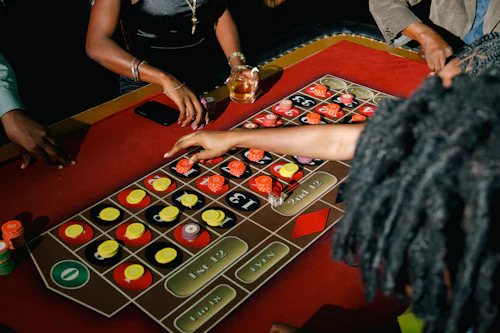
In addition, using strategies that align with the specific game being played is essential. For example, understanding the house edge in various games allows players to make informed decisions. Games like poker require not only luck and strategy but also keen observation of opponents. Implementing a combination of skills, knowledge, and the ability to adapt makes for a more enriching experience, highlighting the importance of strategy alongside the unpredictable nature of luck.
The Psychology of Gambling and Its Impact
The psychology behind gambling can significantly affect a player’s approach and outcomes in a casino. Emotions such as excitement, anxiety, and frustration can influence decisions, often leading to impulsive behaviors that deviate from a well-thought-out strategy. Awareness of these psychological factors can help players maintain a more balanced perspective and adhere to their strategies, regardless of the influence of luck in the moment.
Players should also recognize the phenomenon of the « gambler’s fallacy, » where they mistakenly believe that past events in random games affect future outcomes. This misconception can lead to poor decision-making, such as increasing bets in anticipation of a winning streak. By understanding the fallacies that can cloud judgment, players can adopt a more pragmatic approach to gambling, ultimately relying on strategies that focus on long-term success rather than fleeting moments of luck.
Furthermore, the social aspect of gambling should not be overlooked. Engaging with other players and sharing experiences can create camaraderie and enhance the overall gaming experience. However, it’s essential to remain focused on personal strategies and limits. Understanding how psychology plays a role can empower players to make better choices, enjoy their time at the casino, and balance their hopes for luck with a solid foundation of strategy.
Choosing the Right Games for Strategy and Luck
Selecting the right games can significantly impact a player’s experience and potential for success. Certain games are inherently more strategic and allow players to influence the outcome through skillful play. Table games like blackjack and poker involve both skill and strategy, where players can apply techniques to tilt the odds in their favor. On the other hand, games like slots and bingo are primarily based on luck, offering less opportunity for strategic play.

When choosing games, players should consider their comfort level with the rules and the strategies involved. New players might find it beneficial to start with simpler games, gradually advancing to those that demand more skill and strategy. Familiarizing oneself with game mechanics and practicing before betting real money can also help players develop a deeper understanding while minimizing financial risks. Each game presents an opportunity to balance luck with strategic play, so choosing wisely is crucial.
Moreover, it’s essential to recognize that the perception of fun varies among players. Some might prefer the thrill of relying on luck, while others may seek the satisfaction that comes from mastering a game. Players should align their preferences with the games they choose, ensuring that their engagement remains enjoyable. Ultimately, making informed choices about which games to play can lead to a more satisfying balance between luck and strategic elements in the casino experience.
Understanding the Importance of Responsible Gaming
Responsible gaming is a vital aspect of enjoying and succeeding in casino games. With the blend of strategy and luck, it can be easy for players to get swept away in the excitement, potentially leading to problematic behaviors. Awareness of one’s limits and recognizing when to walk away is crucial to maintaining a healthy approach to gambling. Players should establish a budget and stick to it, recognizing that gaming should be a form of entertainment rather than a means to generate income.
Furthermore, understanding the signs of gambling addiction is also important. Many people underestimate how quickly a fun evening can turn into a financial burden. Casinos often provide tools and resources to promote responsible gaming, including self-assessment tests and links to support organizations. Utilizing these resources can help players maintain control over their habits, ensuring that gambling remains enjoyable and does not adversely affect their personal or financial lives.
In conclusion, blending luck with strategy can lead to a rewarding casino experience. However, maintaining awareness of responsible gaming practices is paramount. Players should prioritize enjoyment and safety, ensuring that their experiences are not overshadowed by financial risks. By striking a balance between luck and strategy while adhering to responsible gaming principles, individuals can foster a rich and rewarding relationship with casino games.